
Structural drying is the process of removing water from the parts of a building that hold it, such as drywall, subfloor, framing and concrete. Dehumidification pulls the vapor out of the air so it cannot settle back into those materials. This page explains how structural drying and dehumidification work in Chatsworth, CA homes, and how a crew proves the job is done.
If water is still flowing, stop the source first. Our dispatch line is open 24/7, and same-day response is offered when available. The first 72 hours as a whole are covered on our water mitigation page.
Why a surface that feels dry may not be
Materials hold water in their pores. A painted wall can feel fine while the paper and gypsum behind it stay wet, and the stud inside can stay damp for weeks. This is why a fan and an open window rarely finish the job.
Unfinished drying is how mold gets started. A room that smells fine today can develop trouble once the weather warms or the heat comes on.
Moisture mapping: finding every wet spot
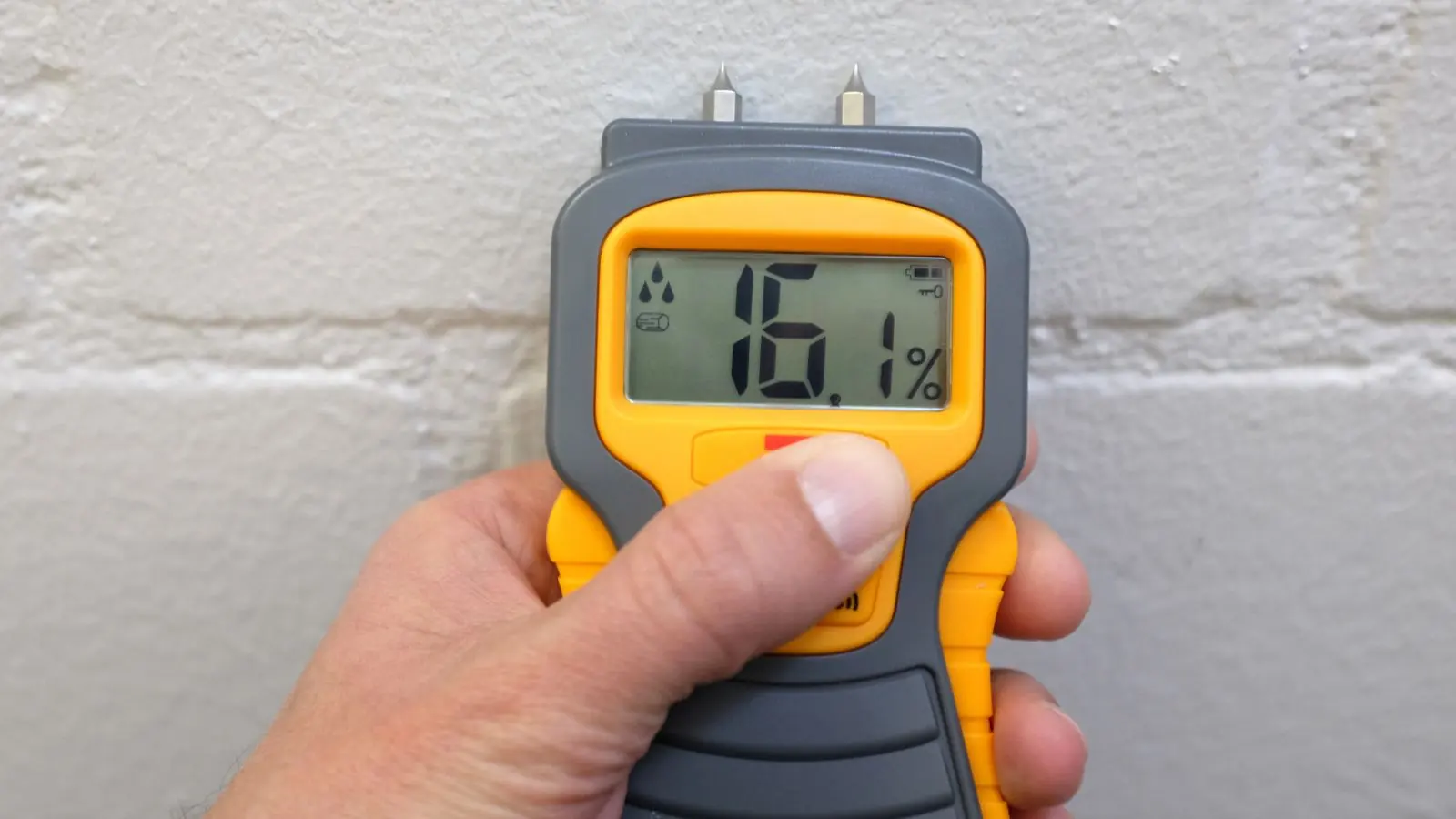
Drying begins with a map. A technician scans surfaces with a thermal imaging camera, which shows temperature differences that often point to moisture. Then moisture meters confirm what the camera suggests.
Pin-style meters read inside a material, and pinless meters scan the surface. Readings go on a sketch or log, with a dry reference taken from an unaffected wall of the same material.
- Drywall and baseboards
- Subfloor, plywood and wood plank flooring
- Wall studs, plates and joists
- Concrete slabs and block walls
- Insulation inside cavities
Structural Drying and Dehumidification in Chatsworth? Call the 24/7 line.
☎ (818) 337-2642The equipment and what each piece does
| Equipment | What it does | Where it works |
|---|---|---|
| Air movers | Push dry air across wet surfaces to speed evaporation | Floors, lower walls, carpet and pad |
| LGR dehumidifiers | Pull vapor out of the air so it does not return to materials | Whole rooms and sealed work areas |
| Moisture meters | Read water content inside drywall, wood and concrete | Walls, framing and floors |
| Thermal imaging camera | Shows temperature patterns that point to hidden wetness | Walls, ceilings and floors |
| Extraction units | Remove standing and bulk water before drying starts | Carpet, hard floors and low areas |
Drying inside walls and under floors
Wall cavities and floor systems are where most drying fails. Air has to reach the wet material, so crews make small openings. They may remove a strip of baseboard, drill small holes, or lift part of a floor panel so that air can flow into the space.
Some systems push warm dry air into a cavity through those openings. Others pull moisture out with controlled airflow. Insulation that has soaked up water is usually removed because it holds moisture against the framing, and the work is planned to cut as little as possible.
Drying goals and how long it takes
The honest answer to how long it takes is until readings say dry. Thickness, material, how long the water sat and how much air is moving all change the timeline. A crew sets a target for each material from the dry reference.
Technicians return to take readings and adjust equipment, usually daily. Equipment comes out when the readings meet the goal, not when a calendar date arrives. Drying goals in the industry come from the S500 standard published by ANSI and IICRC. Before signing on, ask the company whether its technicians follow that document.
- Take baseline readings and set a dry goal for each material.
- Place air movers and LGR dehumidifiers based on the moisture map.
- Recheck readings on each visit and note them in a log.
- Move or add equipment where the numbers are not falling.
- Remove equipment once every material meets its goal, then confirm with a final reading.
Safety guidance while equipment runs
Drying equipment draws power and moves air, so a few rules apply. Keep cords out of wet areas and do not unplug a machine to run something else. Shut the main water valve if the source has not been found.
If water is near outlets, fixtures or the panel, stay out. Turn off breakers only from a dry panel you can reach safely. Shock hazards and gas odors go to 911 or the utility, and those calls come before ours.
Never run a space heater or extension cord through standing water. If the equipment trips a breaker repeatedly, call the crew rather than resetting it again and again.
What changes the cost and how insurance fits
Cost depends on the number of rooms, the materials involved, how long the water sat, the amount of equipment needed and the days of monitoring. Access to cavities and whether materials must be removed also change the scope.
Policies commonly respond to an abrupt, accidental release of water. Slow leaks and deferred upkeep are often left out, and rising floodwater usually requires its own flood policy. Check your policy, ask your insurer and keep the drying log, because the readings document the work. For the rebuild that follows, see water damage repair.
Chatsworth notes for drying work
The local Mediterranean climate brings most rain between November and March, and summers stay almost dry. Dry outdoor air helps in summer, but a winter storm can leave the air heavy, which is why dehumidifiers matter most in the rainy months. Keep windows closed during drying so the equipment can control the room.
Guidance from the state insurance department stresses getting wet areas dry fast with airflow and dehumidification so mold has less to work with. Where moisture has been building for a long while, mold could already exist. In that case, notify the adjuster and set up professional testing and cleanup. Ask your drying crew to share readings so you have them for the claim file.
If walls or framing are opened, rebuilding may need a permit. LADBS requires that projects meet local building codes, and applications for permits are filed on PermitLA or ePlanLA. Homes in Winnetka and Canoga Park fall under the same city process.
Frequently asked questions
Is emergency structural drying available in Chatsworth, CA?
Yes. Someone is on the dispatch line every hour of every day, weekends and overnight hours too. Same-day response is offered when available. Tell the dispatcher what got wet, how long ago and whether the source is stopped. The earlier drying equipment is running, the less water soaks into drywall, framing and floors.
What is the difference between air movers and dehumidifiers?
Air movers blow air across wet surfaces to help water evaporate. Dehumidifiers collect the vapor so it does not settle back into the walls and floors. Using only fans can raise humidity in a room, and using only a dehumidifier leaves wet surfaces slow to dry. Crews use both and place them from the moisture map.
How do you know when the building is dry?
By measuring. A technician takes readings from the wet materials and compares them with a dry reference from the same type of material in an unaffected area. When the numbers meet the goal, the material is dry. Touch and smell alone are not reliable. Ask to see the readings on each visit.
Do you have to cut holes in my walls?
Sometimes small openings are needed so air can reach wet cavities. Often a strip of baseboard or a few small holes is enough, and they are patched later. If drywall has been soaked by dirty water or has swollen and crumbled, it may need to come out. The technician explains each choice and shows the readings behind it.
Can I run a few fans and a dehumidifier from the hardware store?
It can help in a minor spill, but it rarely dries framing, subfloor or concrete. Without meters you cannot tell what is still wet. LGR dehumidifiers also remove more water at lower humidity than many store units. If water spread past one room, or sat for more than a day, professional drying is the safer bet.
Will mold grow if drying takes too long?
Mold needs moisture, so materials that stay wet are at risk. Quick drying that is verified with meters lowers the odds, though nobody can promise growth will never show up. If you see or smell growth, stop and get professional testing. Mold testing and removal are guided by S520 from ANSI and IICRC. Our mold remediation page covers how that goes. Health questions belong to a physician.
How loud and disruptive is drying equipment?
Expect steady fan and dehumidifier noise and some warmth in the room for several days. Equipment sits in walkways, so plan around it. Keep doors closed on the work area, and do not move or switch off machines. If the noise or tripped breakers are a problem, call the crew and they can adjust placement.
Water on the floor right now? Call the 24/7 line.
☎ (818) 337-2642