
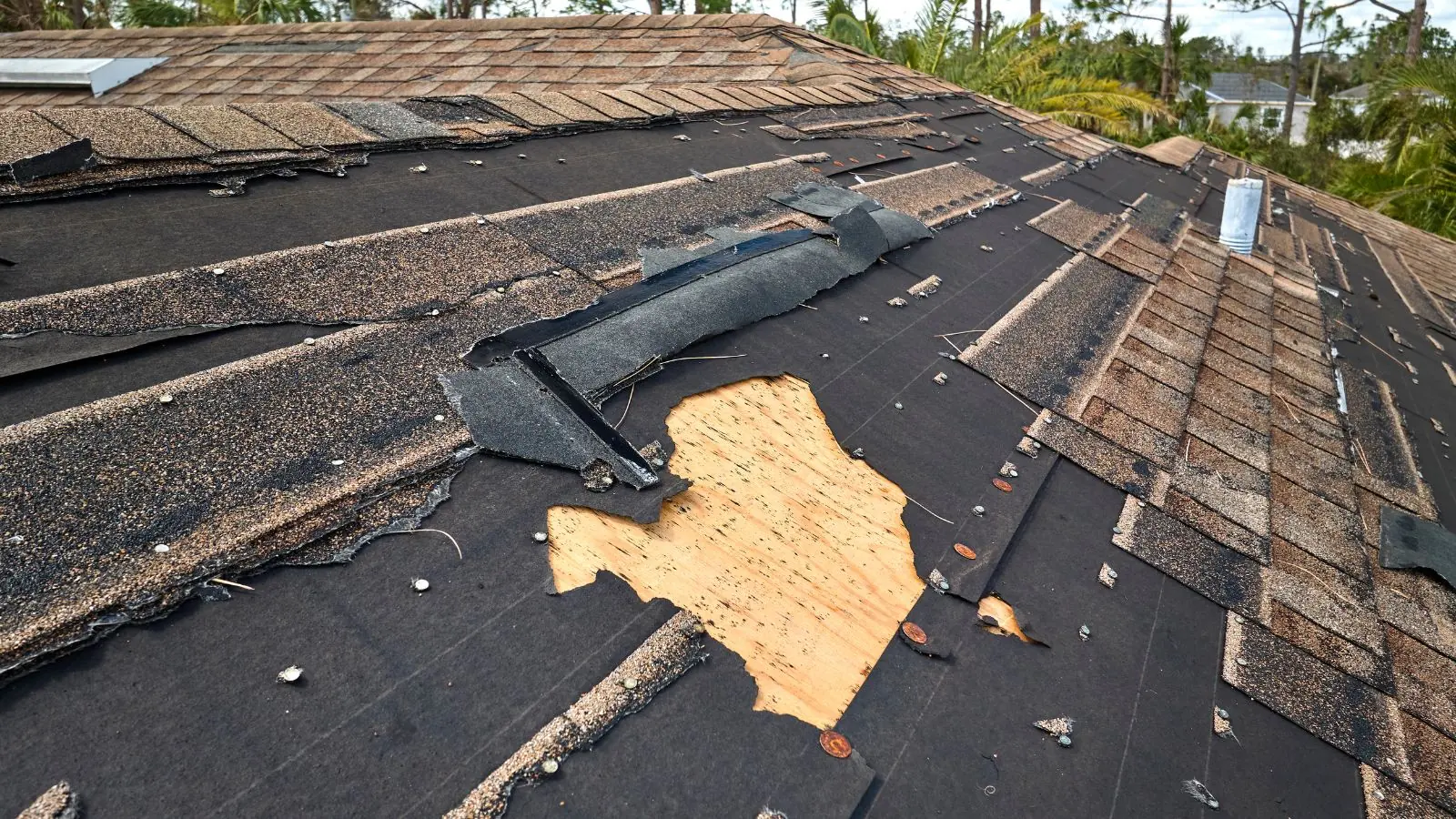
Storm water damage is what you get when a rain event pushes water into a building from several directions at once. Wind drives rain under shingles and around window frames, clogged gutters spill against walls, and runoff finds low doorways. For emergency storm water damage in Chatsworth, CA, our dispatchers answer at any hour and offer same-day response when available.
This is different from two pages you may also be looking at. Roof leak water damage covers a single point of entry overhead. Flood damage restoration covers rising or surface flood water. A storm loss is often a mix, and the first call can sort out which part you have.
How storms get water into Chatsworth homes
Most of the wet weather arrives between November and March, while the long dry summer lets debris collect. That pattern means roofs, gutters and drains sit untested for months, then face the first hard rain with leaves and dust built up. A blocked gutter sends water down the wall instead of away from it.
Wind adds a second path. Rain pushed sideways gets under flashing, through weep holes and past worn weatherstripping on doors and windows.
Symptoms and what they point to
Check these spots after the rain stops, and take photos of each one.
- Water stains at the top of an exterior wall suggest a gutter or flashing problem.
- A wet strip along the base of a door points to runoff or a worn threshold seal.
- Damp carpet near a window means rain is getting past the frame.
- A stain that spreads on the ceiling means water is collecting above it, often in the attic.
- Wet insulation in the attic can hold water for a long time and keep soaking the ceiling below.
Emergency Storm Water Damage in Chatsworth? Call the 24/7 line.
☎ (818) 337-2642Storm safety in the first hour
Stay out of rooms with standing water if outlets, cords or the panel might be wet. Shut off the breakers solely when the panel is dry and you can get to it safely. A downed wire, gas smell or sparks means getting out and calling 911 or the utility ahead of any call to a restoration company.
Do not climb onto a wet roof to look for the leak. Stay out of any water that may be mixed with sewage or yard runoff, and keep children and pets away from it.
Power outage after a storm? Do not run a generator indoors or in a garage. Use it outside, away from doors and windows.
Our storm water process
The work follows the water from where it entered to where it settled.
- Contain the entry. A roofer or window specialist handles the permanent repair, and temporary tarping or board-up is coordinated first when needed.
- Pumps and extraction units remove the water sitting on floors.
- Remove soaked carpet cushion, insulation and drywall that cannot dry in place.
- A thermal imaging camera and moisture meters trace dampness up into the attic and through wall cavities.
- Air movers and LGR dehumidifiers keep running until the meter numbers fall to a dry baseline.
- Clean affected surfaces and apply antimicrobial treatment where needed.
Storm runoff, sump trouble and burn-area hillsides
If your property has a sump or a low yard, a power outage can stop the pump just when it is needed. Water then backs toward the house. Ask a plumber or drainage contractor about backup options once the loss is handled.
Burned hillsides shed rain differently than vegetated ones, since bare ground absorbs less. That matters most for homes below slopes, where runoff can arrive fast and carry mud. Mud-laden water is contaminated, so treat it with caution.
What changes the cost
Pricing comes after an inspection. These are the factors that move it.
- How many rooms and which levels got wet
- Whether water reached the attic, wall cavities or subfloor
- Clean rain water versus mud or sewage-mixed water
- Which finishes got wet, and which of them can be dried where they sit
- Days of equipment running before readings are dry
Insurance fit and mistakes to avoid
Rain entering through a storm-damaged roof or window is often treated as sudden and accidental, but policies differ. Water that climbs out of the ground or sheets across the yard counts as flood, which standard policies usually exclude, so it takes a separate flood policy. Check your policy and ask your insurer which side your loss falls on.
Do not wait for the adjuster before protecting the property, and keep every receipt. Keep ruined belongings on hand until the adjuster agrees they can go. Published as ANSI/IICRC S500, the restoration industry's reference standard is something you can ask any contractor about, including whether its crews follow it.
Chatsworth weather, wind and the hills
Chatsworth lies at the western end of the San Fernando Valley, backed by the Santa Susana Mountains on the north side and the Simi Hills curving around the north and west. Lots on slopes and houses sitting below them take runoff first. Clean out gutters and drains ahead of the first autumn storm, and look up your address on the FEMA flood map.
Next door in Porter Ranch, the LA Times reported winds of 70 mph in 2008, and the Saddleridge Fire burned there in October 2019. Wind can loosen shingles and flashing, so if you live there, look at your roof after any big blow. The Northridge page has more on nearby homes.
Chatsworth Reservoir, an LADWP property from the 1918 aqueduct era, stopped serving as a reservoir in 1969, with algae and storm inflow cited as concerns. It is a reminder that storm water here has long run down from the hills. If your property drains toward a low point, ask the city about drainage requirements before changing grading.
Frequently asked questions
Is emergency storm water damage cleanup available in Chatsworth, CA?
Yes. The dispatch line runs 24/7, including during and right after storms. Same-day response when available. Tell the dispatcher where the water entered, and you will get guidance for the hours before a crew can be scheduled. Move belongings off wet floors, close interior doors to limit spread, and take photos before you clean up.
Is storm damage the same as flood damage?
Not for insurance purposes. Rain entering through a damaged roof or window is usually a different category from water rising from the ground or flowing across the surface. Flood is usually excluded from homeowners policies and needs separate flood coverage. Check your policy, and ask your insurer to classify your loss in writing.
Can you fix my roof or windows?
No, that is a roofer's or window installer's work. A restoration crew dries the structure, removes ruined material and cleans up. We can help coordinate temporary tarping or board-up so more rain does not enter. Get written bids from licensed contractors for permanent repairs, as a California Department of Insurance guide suggests.
Is the water in my house safe to touch?
Not always. Clean rain through a roof is one thing, but runoff across a yard or driveway can carry mud, chemicals and sewage. Wear gloves and boots, and keep children and pets out. Water that reached outlets or the breaker box is a reason to stay out and ring 911 or the utility before anything else.
How long before wet insulation and drywall are dry?
There is no fixed number. Drying ends when meter readings reach the dry baseline, and the time that takes varies with the volume of intrusion, the building materials and the equipment placed. Wet attic insulation often has to be removed, because it holds water. Technicians retest on every visit and pull equipment only after the numbers confirm dry.
What if the power is out and I cannot run anything?
Stay safe first. Use flashlights, not candles, and never run a generator indoors or in a garage. Do not enter wet rooms with power still on at the panel unless it is dry and safe to reach. Crews bring their own power setups and equipment, so an outage does not stop the call.
Could mold start after a storm leak?
Mold needs moisture, so wet drywall, insulation and carpet can support growth if they stay damp. Quick extraction and drying reduce the chance, though nobody can promise growth stays away. Testing and remediation follow ANSI/IICRC S520. For health questions, see a physician. Our mold remediation page explains the process.
Water on the floor right now? Call the 24/7 line.
☎ (818) 337-2642