
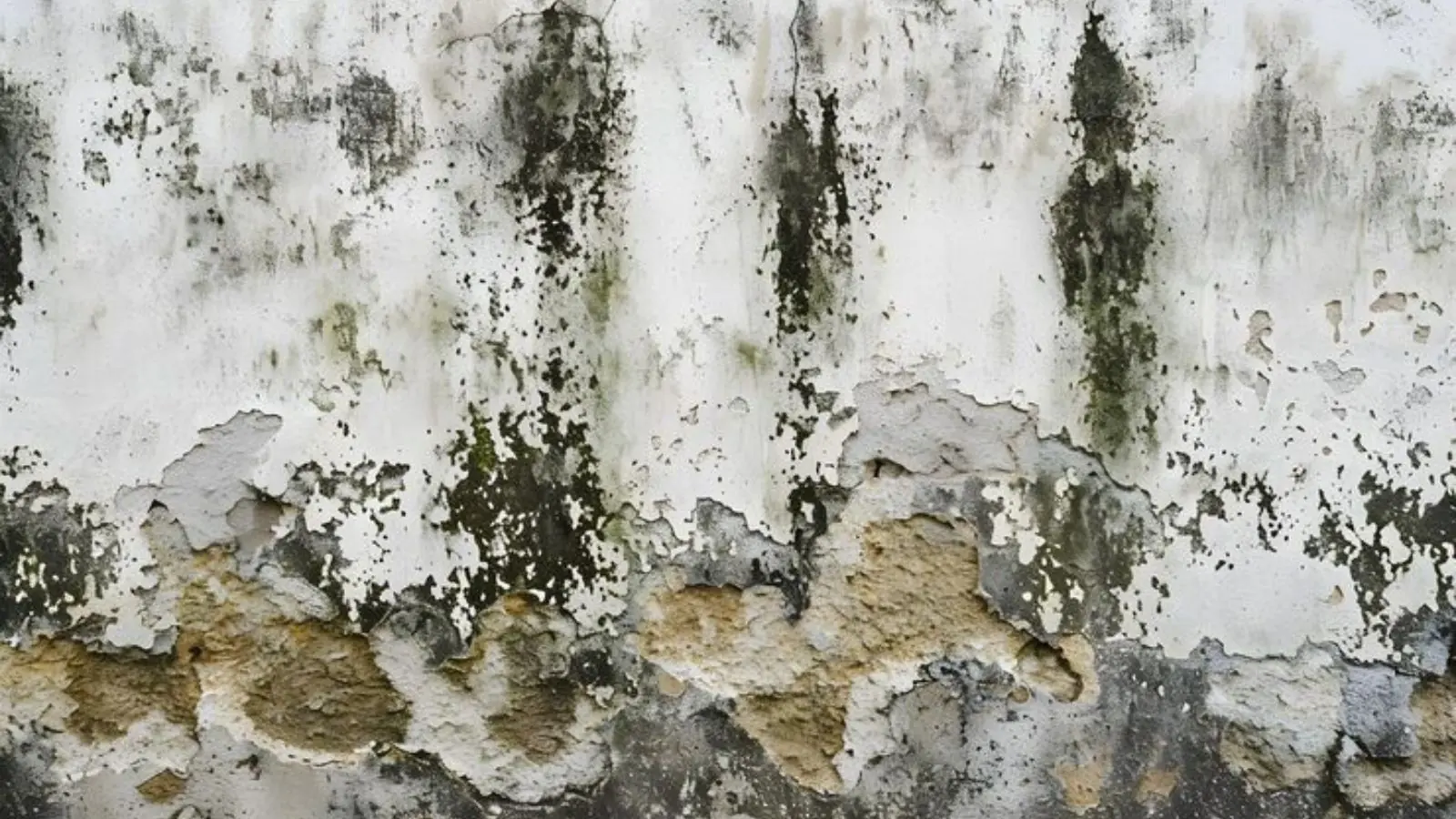
The question comes up in nearly every home that has a damp bathroom or a stained closet wall: is this black mold vs mildew, and does it matter? The short answer is that the label matters less than what the growth is telling you, which is that moisture is present.
Below is a plain comparison of how each one tends to look and where it tends to appear, along with a clear statement of what eyes alone cannot do. You will also find a checklist for tracing the water and a guide to when a professional should step in.
What people usually mean by each word
Mildew is a common name for a type of surface growth, usually flat and powdery or downy, often seen on shower tile, window sills and fabric. Mold is the broader word for the many fungi that grow on damp material, and "black mold" is a popular phrase rather than a precise diagnosis.
Both need moisture to grow. Both can show up where humidity is high, air is stagnant or something has been wet for a while. The practical difference for a homeowner is mostly about how far the growth has gone, not about its name.
Side-by-side comparison
Use this table as a starting guide, not a verdict. Real growth varies, and many things that look like mold are dirt, soot or stains.
| Feature | Often described as mildew | Often described as mold |
|---|---|---|
| Look | Flat, powdery or patchy, white, gray or yellowish | Fuzzy, slimy or clustered, often green, brown, black or mixed |
| Texture | Wipes off the surface more easily | Can be raised and may leave a stain or a mark below |
| Typical spot | Shower walls, window sills, bathroom grout, fabric | Drywall, ceilings, behind cabinets, inside walls, under flooring |
| Spread | Usually stays on the surface | May reach into porous material such as drywall or wood |
| Smell | Light damp or sour odor | Stronger, earthy or musty odor |
Color alone cannot identify mold. Black growth can be mildew, and white or green growth can be mold. Whether a patch is a particular species is a question for a professional, sometimes with testing.
Black Mold vs Mildew Chatsworth, CA in Chatsworth? Call the 24/7 line.
☎ (818) 337-2642Why color is a poor guide
People assume black means dangerous and white means harmless. That is not how it works. Color can change with the material, the moisture, the age of the growth and the lighting in the room.
If you want to know exactly what a patch is, ask a qualified professional about testing. Testing and remediation follow ANSI/IICRC S520, the published standard for mold work. Health questions about exposure belong with your physician, not with an internet checklist.
Trace the moisture, not just the stain
Growth that returns in the same place is almost always a sign the moisture source has not been solved. Here are the spots to check, starting with the cheapest and easiest.
- Bathroom: is the fan vented outside, and does it run long enough after a shower?
- Kitchen: look under the sink and behind the dishwasher for drips or soft cabinet bases.
- Windows: check for condensation pooling on the sill and track.
- Ceilings: rings or brown tints under a roof, bathroom or upstairs plumbing can mean a slow leak.
- Closets on exterior walls: look for damp, musty clothing or stained corners.
- Air conditioner drain lines and water heater pans: confirm they are clear.
A simple triage for the next hour of your day
You do not need to name the growth to decide what to do. Sort what you see into one of three levels and act on that.
- Dry the area and run a fan or dehumidifier if you can do so safely.
- Photograph the patch with something for scale, such as a coin or tape measure.
- Press on the surface. If it feels soft, crumbly or swollen, the material is likely saturated.
- If it is a small spot on tile or glass, clean with detergent and water, wearing gloves and a mask, and dry it fully.
- If it is on drywall, covers a large area or came back after cleaning, stop and get it assessed.
- Never mix cleaning products. Chemical combinations can release dangerous fumes.
When cleanup is more than wiping
Once growth reaches drywall, insulation or framing, wiping the surface no longer solves it. The material may need removal under containment, with HEPA air scrubbers running and affected surfaces cleaned with HEPA vacuuming. Professional mold remediation crews use moisture meters and thermal imaging cameras to find how far the damp extends before they start.
If the cause was a plumbing failure or a roof leak, water damage cleanup dries the building materials and removes what cannot be saved. That work and the mold work are often scheduled together, because drying first keeps the problem from growing while the plan is set.
Insurance and your records
The California Department of Insurance says that after sudden water damage you should dry wet areas promptly with air circulation and dehumidification, to limit mold. If a leak went on over time, mold may already be present, and the guide says to contact your adjuster and arrange professional testing and cleanup.
Check your policy, since coverage for sudden damage and for gradual leaks is often treated differently. Photograph before cleaning, keep receipts for reasonable temporary protection and do not discard damaged items until the adjuster approves.
Mildew, mold and the Chatsworth seasons
Chatsworth has a Mediterranean climate, with rain falling mostly from November through March and summers that are nearly dry. Growth tied to humidity, like shower mildew and window condensation, can appear in any season. Growth tied to leaks tends to surface after the first storms, so look at ceiling corners and exterior walls in November.
The long dry stretch is the best time to fix what the rain will test. Clear gutters, check roof flashing and window caulk, and run bathroom fans. Homeowners in Northridge and West Hills, which border Chatsworth, work with the same calendar, so a pre-winter walkthrough pays off for them as well.
Frequently asked questions
Is black mold always more serious than mildew?
Not necessarily. Color does not tell you what a growth is or how far it has gone. What matters is the size, the material it is on and whether the source of moisture is still active. A small patch on tile is a simple cleanup, while growth in a wall cavity needs professional containment. Health concerns should go to your physician.
Can I just spray it and move on?
Spraying a surface can change how it looks without addressing the moisture or the material beneath. Never mix products, particularly bleach and ammonia. If the patch is small and on a hard surface, detergent, water and thorough drying is a sensible approach. Anything on drywall, ceilings or inside walls deserves an assessment.
How do I know if a test is worth it?
Ask a professional who works to ANSI/IICRC S520 what testing would tell you and what it would not. Testing can help when there is a visible concern with no obvious cause, or when the insurer asks for documentation. It does not replace finding the water source, which you can start on yourself.
Why does my bathroom keep growing the same spot after I clean it?
Usually the room is staying damp. Check that the fan vents outside, run it after showers, wipe wet surfaces and look for slow leaks at the tub, shower valve and supply lines. If the wall behind the spot feels soft, get a moisture check before you repaint.
Does a dry Chatsworth summer mean I will not have mold problems?
Dry weather helps, but it does not remove indoor sources. Rain falls mostly November through March, yet showers, kitchens, air conditioner drains and pipes add moisture all year. A leak that began in winter can also stay hidden in a wall into summer. Check the known trouble spots in every season.
Water on the floor right now? Call the 24/7 line.
☎ (818) 337-2642